November 13, 2026
Hot water remains one of the most critical daily conveniences in any modern home, powering morning showers, clean cookware, and sanitized laundry. Because domestic heating tanks operate out of sight in a garage or utility closet, homeowners naturally take their continuous operation for granted. Residential heating appliances remain under constant hydraulic pressure, quietly processing thousands of gallons of fresh water monthly across Pinellas, Pasco, and Hillsborough Counties.
That relentless thermal stress and physical strain wear down pipe fittings, electrical elements, and protective tank linings over time. When mechanical components start degrading, the appliance rarely fails completely without providing subtle warning signs first. Paying close attention to your domestic plumbing allows you to intervene before minor structural wear escalates into catastrophic indoor flooding.
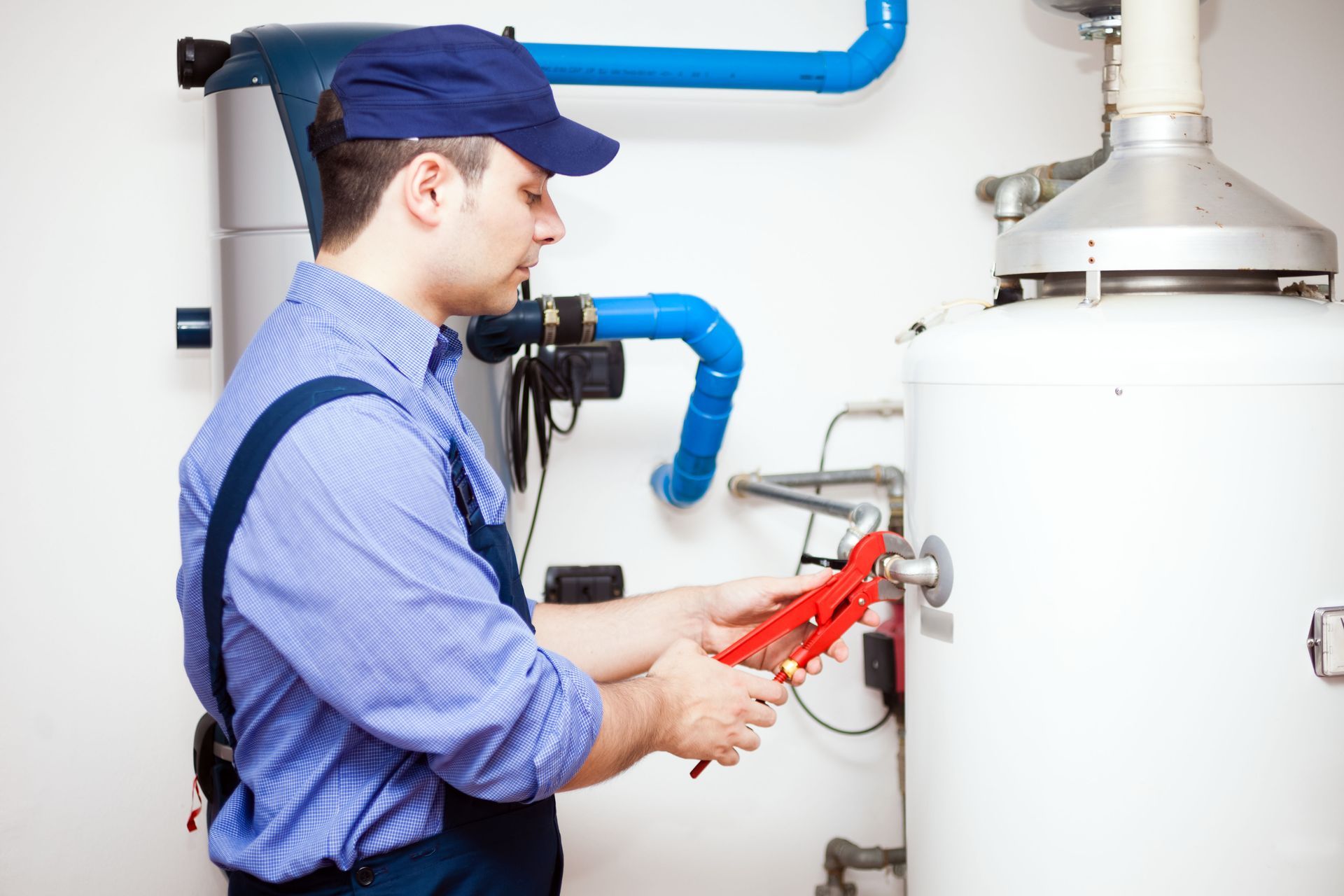
Timely attention protects your property from the devastating expense of structural repairs and property loss. Scheduling professional water heater repairs preserves equipment integrity, prevents disruptions, and protects your household budget.
Observing Irregular Temperatures
The primary operational purpose of any domestic water heater is supplying a steady, predictable flow of hot water to every faucet in your residence. When your morning shower suddenly turns lukewarm halfway through, your mechanical unit is struggling to complete its heating cycle. Temperature fluctuations or a sudden reduction in overall hot water volume frequently point to damaged electrical elements, failing burners, or a snapped dip tube. A broken dip tube releases cold intake water directly toward the hot outlet port at the top rather than the heating zone below.
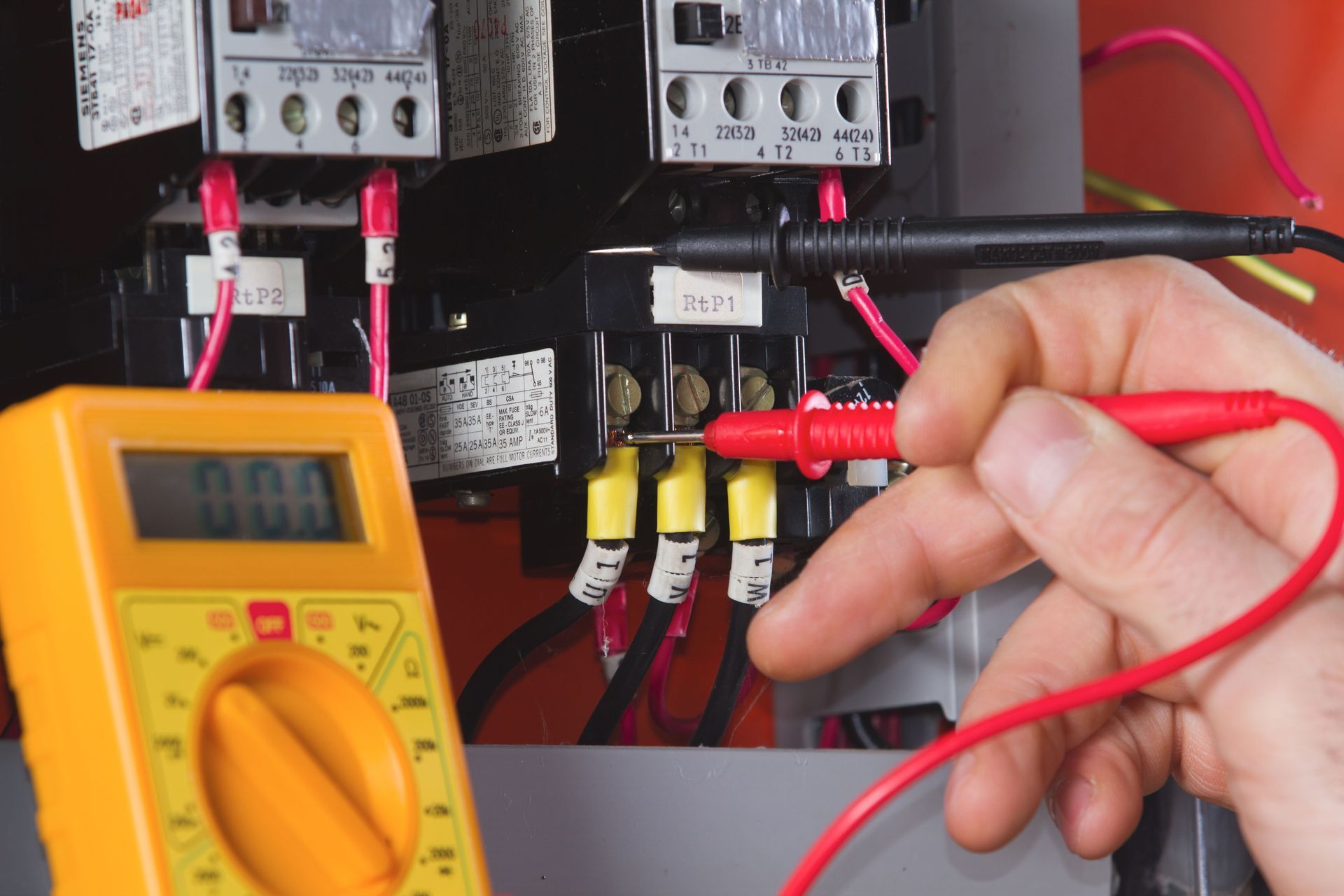
Furthermore, mineral scale buildup blankets heating assemblies, preventing adequate heat transfer into the liquid. Homeowners who ignore subtle temperature drops eventually face completely cold taps right in the middle of busy morning routines. Bringing in a licensed technician for targeted water heater repairs will recalibrate thermostats, replace defective heating elements, and restore uniform thermal comfort across your home.
Hearing Peculiar Noises
Standard residential water heating units generally operate with a faint hum during a normal cycle, so loud acoustic interruptions warrant immediate investigation. If your utility closet begins producing popping, sizzling, or deep rumbling noises, a thick layer of mineral sediment has settled across the interior floor. Municipal tap supplies across west-central Florida contain significant quantities of dissolved minerals like calcium and magnesium that separate from water under high heat. Over years of operation, these loose mineral particulates bake into a hard, calcified shelf that traps moisture beneath its perimeter.
Whenever heating elements activate, this trapped liquid boils violently beneath the dense mineral scale, creating turbulent steam bubbles that loudly rattle the outer casing. This chronic thermal strain severely degrades internal glass linings, accelerating metal fatigue and generating microscopic cracks throughout the shell. Scheduling timely water heater repairs allows a qualified professional to flush hardened minerals and protect the tank.
Checking Murky Flow
Potable water flowing through your interior plumbing network should consistently remain crystal clear and free of suspended particles at every fixture. If you notice a brownish, reddish, or cloudy tint flowing exclusively from your hot taps while cold water runs clean, internal corrosion has taken hold. Modern storage tanks utilize a sacrificial anode rod made of magnesium or aluminum, engineered specifically to attract galvanic corrosion and shield the primary steel shell from rust.
After several years of continuous operation, this sacrificial component disintegrates entirely, leaving bare interior metal exposed to natural oxidation. Rusty water serves as an undeniable visual indicator that corrosion is actively eating away at the core physical structure of your heating appliance. These circulating rust flakes can also travel down plumbing lines, restricting aerators and damaging expensive modern fixtures. Organizing comprehensive water heater repairs enables an experienced technician to evaluate internal rust progression, replace depleted anode rods, and stop oxidation.
Spotting Active Moisture
Any visible moisture, damp pooling, or persistent condensation gathering around the base of your heating equipment demands prompt mechanical attention. Even minor drips, chalky mineral stains, or slow seeps around pipe connections can signal failing seals, defective pressure relief valves, or internal tank breaches. According to an Insurance Institute for Business and Home Safety analysis of water heater claims, slightly more than two-thirds of all related property losses stem directly from a ruptured or leaking tank. A microscopic crack along a welded seam might initially appear as harmless sweating along the outer metal jacket.
Because domestic plumbing operates under steady municipal pressure, even a tiny pinhole fissure can suddenly rupture into a continuous torrent of scalding water. Identifying damp spots early helps plumbing professionals determine whether an external gasket requires replacement or if the container has failed. Promptly requesting water heater repairs mitigates catastrophic flooding, stopping secondary water damage to nearby drywall and flooring.
Monitoring Escalating Costs
Homeowners often focus exclusively on mechanical noises or visible exterior moisture, frequently overlooking financial clues that appear within monthly utility statements. Because heating domestic water accounts for a substantial percentage of total residential energy expenditure, unexpected spikes in electric or gas costs warrant a prompt mechanical evaluation. When thick mineral sediment blankets the base of the tank, the appliance must consume far more fuel and run significantly longer to achieve desired water temperatures.
Defective electrical thermostats can likewise become stuck in continuous heating loops, drawing heavy electrical power continuously day and night without warning. A water heating system forced to work twice as hard to maintain baseline temperatures experiences accelerated mechanical wear across all working components. Continuing to pay higher energy bills each month means you are paying extra money for deteriorating performance. Arranging comprehensive water heater repairs restores original thermal transfer efficiency, keeping household utility expenses predictable, affordable, and fully optimized.
Tracking Advanced Age
Every residential water heating appliance operates with a predetermined mechanical service lifespan dictated by water quality, household demand, and historical maintenance. Standard tank-style heating systems typically provide dependable residential service for eight to twelve years under regular operating conditions. If your existing appliance is approaching or has exceeded its tenth year of service, internal structural components, welded seams, and protective linings have reached the end of their operational durability.
You can verify the exact age of your system by reading the manufacturer data sticker attached directly to the outer surface of the cabinet. Aging units suffer from diminished thermal efficiency, persistent mineral accumulation, and an elevated probability of sudden rupture. While minor component replacements can resolve basic electrical or plumbing faults, an aging unit requiring repeated interventions often indicates that the entire appliance is nearing retirement. Experienced plumbers assess equipment age during water heater repairs, helping homeowners plan proactive replacements before unexpected ruptures occur.
Protecting Residential Comfort
Recognizing early warning signs of mechanical wear gives you the opportunity to address developing problems before they transform into costly structural emergencies. Whether your appliance produces strange popping noises, inconsistent water temperatures, rusty tap flow, or small moisture puddles on the floor, minor plumbing symptoms never correct themselves. Allowing these issues to linger only accelerates internal structural decay, substantially increasing the danger of sudden ruptures and costly property repairs.
Routine preventive servicing successfully flushes harmful mineral buildup, replaces depleted protective rods, and confirms that all primary safety and pressure relief valves operate correctly. Taking proactive steps today ensures your family enjoys a continuous supply of reliable hot water while preserving the comfort, safety, and value of your home. For dependable inspections, expert maintenance, and emergency service throughout Pinellas, Pasco, and Hillsborough Counties, reach out to the dedicated professionals at Guardian Home Services.