November 6, 2026
Walk through almost any home in Pinellas or Pasco County, and you will find more electronics, appliances, and cooling equipment than a house built thirty years ago was designed to handle. Central air conditioning runs for most of the year in Florida, and homeowners now add electric vehicle chargers, tankless water heaters, home offices, and smart devices on top of that load. All of this demand flows through one device, the electrical service panel, and when it is too small, problems follow.
That is why electrical panel upgrades have become one of the most common projects for homeowners who want dependable power. A 200-amp service gives a household the capacity to run today’s equipment together without strain, and it leaves room for tomorrow’s additions. The result is steadier power and fewer surprises.
Below explains what drives the decision, what the process looks like, and how to approach electrical panel upgrades with confidence. Understanding the reasons behind the switch makes it easier to decide when the time is right for your own home.
Recognizing Overloaded Circuits
Your home usually tells you when the panel is struggling, and the warning signs are easy to spot once you know them. Breakers that trip repeatedly mean the circuit is drawing more current than it can safely carry. Lights that flicker or dim when the air conditioner or dryer starts suggest the system is running out of capacity. Older fuse boxes, buzzing sounds from the panel, and warm or discolored outlets deserve immediate attention because they point to safety risks, not just inconvenience. Needing extension cords and power strips in every room is another clue that the home has outgrown its original wiring plan.
Many older homes in the Tampa Bay area still rely on 100-amp service or aging panels that no longer meet current safety expectations. Small warnings are easy to dismiss until they escalate. If any of these signs sound familiar, a professional evaluation can confirm whether electrical panel upgrades are the right solution before a small annoyance becomes a dangerous failure. Acting early is almost always cheaper than responding to damage.
Comparing Panel Capacities
A panel’s amperage rating describes how much electrical current it can deliver to the home at one time. A 100-amp panel can serve a small or modest house with limited electrical needs, but it has little room to grow. A 200-amp panel is built for larger homes and heavier loads, such as central air, electric heat, and vehicle charging running at the same time. According to a nationwide survey of electrical panel capacities, roughly six in ten surveyed U.S. homes already have panels rated at 200 amperes or higher.
That makes 200 amps the working standard rather than a luxury, and homes that fall below it can feel behind the times. The difference matters most when several large appliances start at once, since a smaller panel responds by tripping breakers or overheating. For a Florida household with heavy cooling demands, that extra capacity is a practical necessity rather than a nice extra. Choosing the larger rating also means the panel is ready for additions that have not been planned yet.
Gaining Lasting Advantages
The first benefit of electrical panel upgrades is capacity. With 200 amps available, you can run the oven, the dryer, and the air conditioner together without a single tripped breaker. Comfort improves too, because appliances receive steady power. Safety is the second benefit, because overloaded circuits run hot, and excess heat can lead to electrical fires. A new panel also brings modern breakers and arc-fault protection that older equipment lacks. Future readiness is the third benefit, especially for owners who plan to add an electric vehicle charger, a heat pump, or a home addition.
Doing the work once avoids paying for a second upgrade a few years later. Buyers also notice the difference, since an updated panel signals a well-maintained property and can strengthen resale appeal. Finally, a properly sized panel supports energy-efficient equipment such as smart thermostats and high-efficiency HVAC systems, which can help keep monthly utility costs under control. Together, these advantages explain why so many homeowners treat the project as an investment rather than an expense.
Navigating Code Requirements
Every panel project must follow the National Electrical Code and the rules set by the local building department. That usually means a permit is required before work begins, and an inspection is required once it is finished. The inspection confirms that the wiring, grounding, and breakers meet current safety standards, which helps protect your family and your investment. Skipping permits might seem like a shortcut, but unpermitted electrical work can cause trouble during a home sale or an insurance claim. Licensed professionals handle the paperwork and scheduling for you, and they know what local inspectors expect.
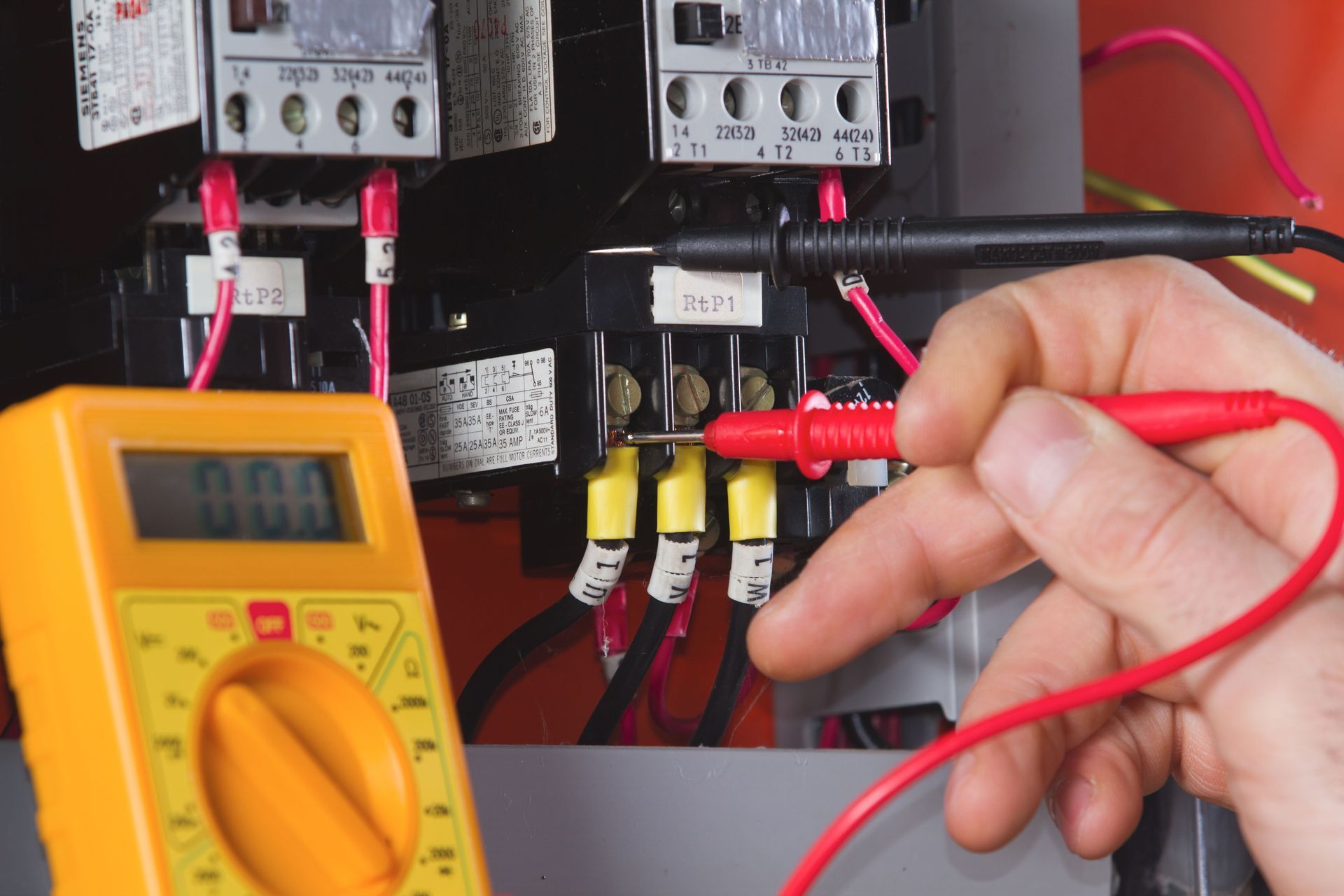
Parts of a service panel stay energized even when the main breaker is off, so the risk of serious injury is real. This is one reason electrical panel upgrades should never be treated as a weekend project. Hiring a licensed electrician ensures the work is done correctly and documented properly for future buyers. Keeping copies of the permit and final inspection report gives you proof of compliance later. Careful compliance protects everyone involved.
Planning Your Installation
A typical installation begins with an evaluation of your existing panel, wiring, and service entrance. The electrician then replaces the old panel, upgrades the service conductors if needed, and may coordinate with the utility on the meter. Power is typically off for several hours, and complex projects can take longer, so it helps to plan your schedule around the work. Before the electrician arrives, clear access to the panel and let your family know when the outage will happen. Once the new panel is installed, the electrician tests every circuit, labels the breakers, and restores power so you can confirm that everything works.
Cost depends on the home’s wiring, the size of the service, and local permit fees, so a clear written estimate is worth requesting up front. Ask about warranties as well, since good workmanship should be backed by the company that performs it. Careful planning keeps electrical panel upgrades smooth, predictable, and free of surprises. Homeowners who prepare ahead usually find the day far less disruptive than they expected.
Taking Confident Action
A 200-amp service has become a practical foundation for the way people live today. It supports heavy appliances, protects against overloads, and prepares a house for electric vehicles, additions, and new technology. If your breakers trip often, your lights flicker, or your panel is decades old, the right moment to act is now.
Electrical panel upgrades are an investment in safety, comfort, and long-term value, and they work best when handled by trained professionals who follow code and stand behind their work. Start by asking for an evaluation so you understand exactly what your home needs and what the project will cost.
A short conversation now can prevent an emergency later, and it can turn an uncertain electrical system into a dependable one. Choosing a licensed, family-owned team that knows the local codes and answers questions plainly makes the whole process easier. Call Guardian Home Services today to request your free, same-day phone estimate and see why Pinellas and Pasco County homeowners trust us with their electrical panel upgrades.